What you will learn
- FTL gives you the whole trailer and fewer touches
- LTL lets you pay only for the space you use
- Weight, volume, and timing decide the better fit
Choosing between full truckload (FTL) and less-than-truckload (LTL) comes down to how much freight you have, how fast it needs to move, and how carefully it needs to be handled.
When full truckload makes sense
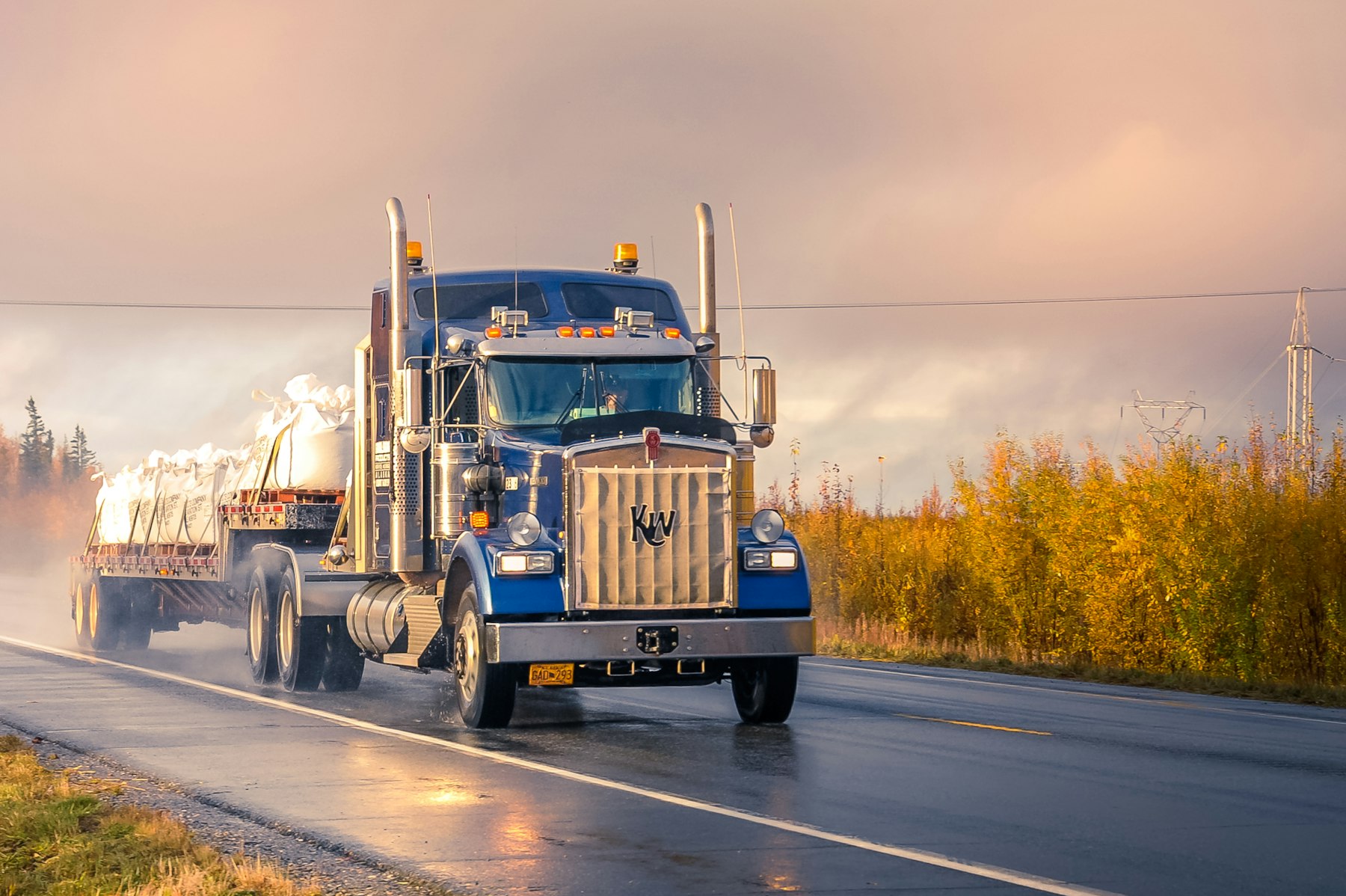
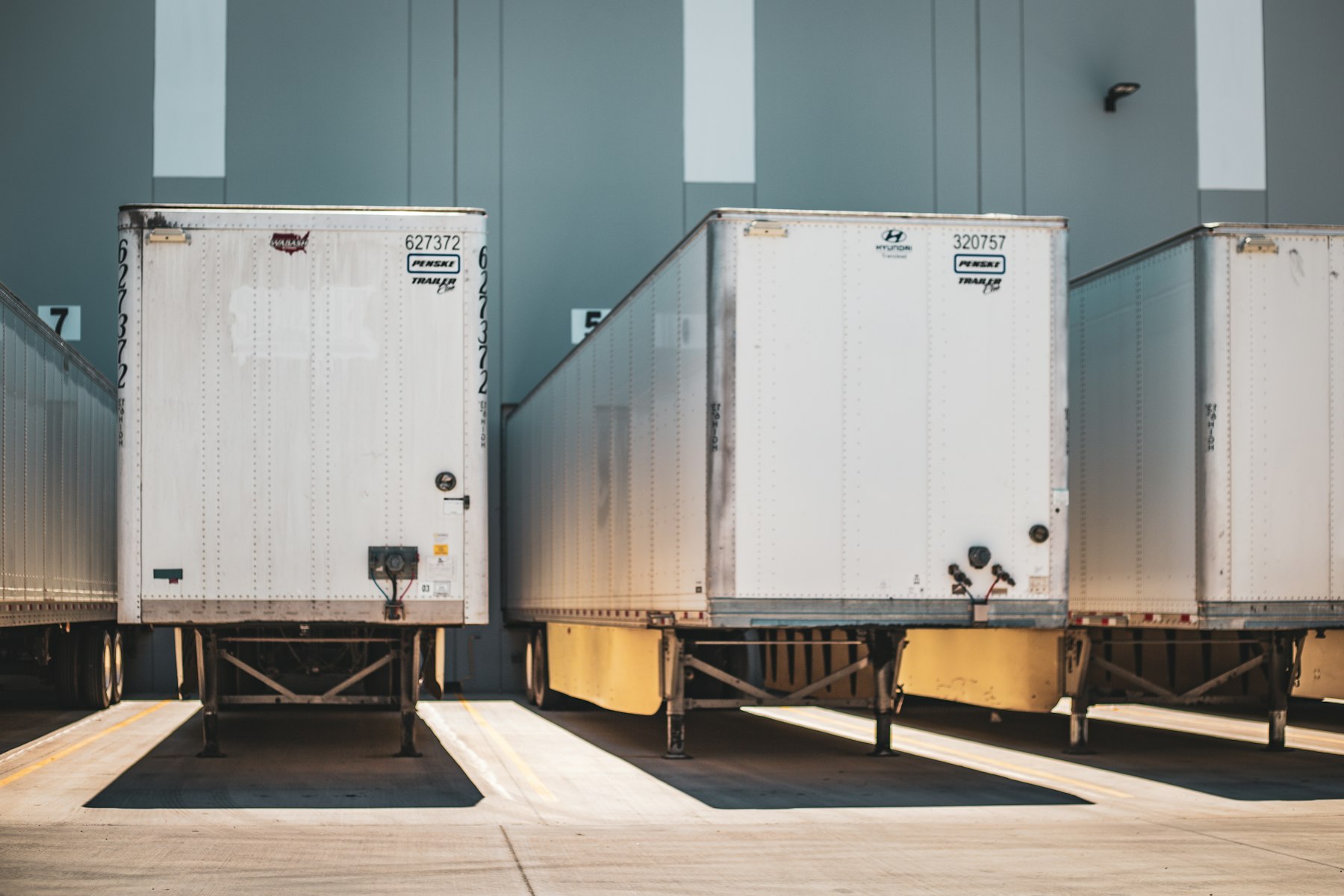
FTL means your freight has the trailer to itself, point to point. It is usually the better choice when you have enough freight to fill most of a 53-foot trailer, when the freight is fragile, or when the delivery window is tight.
- Fewer touches and less handling risk
- Direct transit with no terminal stops
- Simple scheduling around pickup and delivery appointments
When LTL makes sense
LTL combines your pallets with other shippers' freight. You pay for the space you use, which is ideal for a few pallets that do not justify a whole trailer.
- Lower cost for smaller shipments
- Good for regular, smaller replenishment orders
- More handling at terminals, so packaging matters
Need a quote? Contact Ovation Transportation or call (859) 287-6494.
Frequently asked questions
How many pallets fill a truckload?
A standard 53-foot dry van holds roughly 26 standard pallets floor-loaded, depending on dimensions and weight.
Is LTL slower than FTL?
Often, yes, because LTL freight may pass through terminals. FTL is typically a direct run.